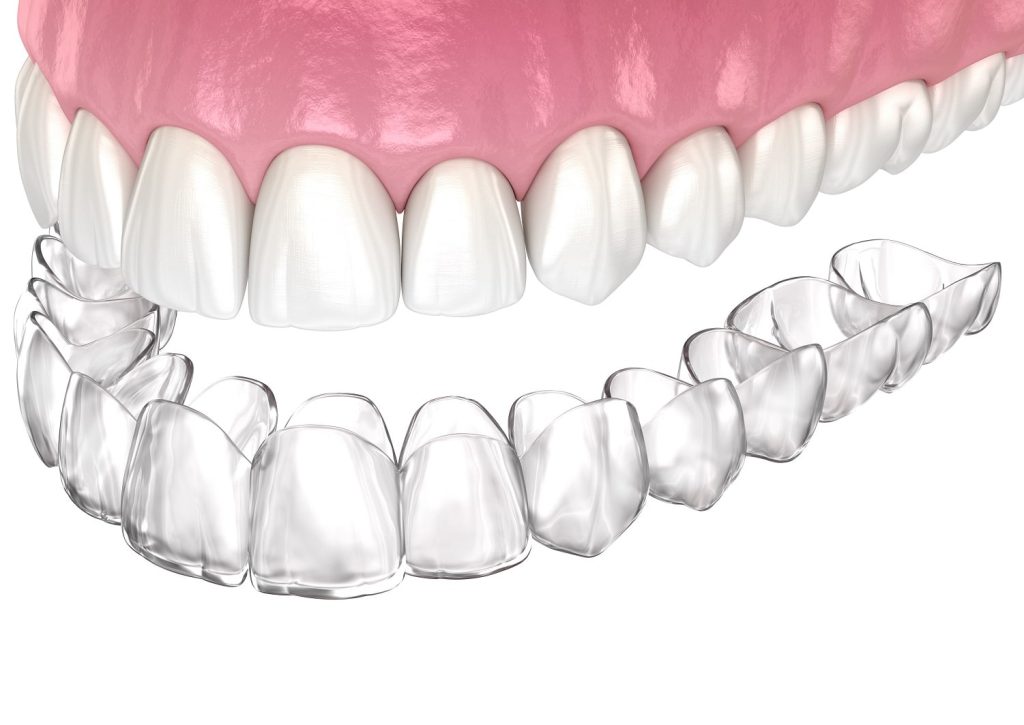
Understanding the Science Behind Aligner Preservation
The journey to a beautifully aligned smile requires more than simply wearing clear aligners for the recommended twenty-two hours per day. The brief periods when aligners are removed present critical opportunities for either preserving or compromising the sophisticated thermoplastic materials that make orthodontic treatment possible. Proper storage practices during these intervals play a surprisingly significant role in maintaining the structural integrity and optical clarity of the aligners, ultimately affecting treatment outcomes and patient satisfaction.
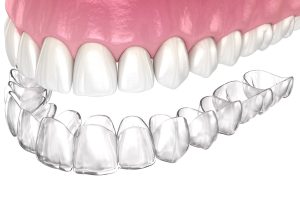
Clear aligner therapy has revolutionised orthodontic treatment, offering patients a discreet alternative to traditional metal braces. Those seeking Invisalign Bournemouth and elsewhere benefit from advanced polymer technology designed to withstand the rigours of continuous wear. However, the material science behind these appliances demands respect for their limitations, particularly during the vulnerable moments when they are removed from the protective environment of the oral cavity.
The Material Composition of Modern Aligners
Understanding the proprietary materials used in aligner construction provides essential context for appreciating why storage matters. These medical-grade thermoplastic polyurethanes possess specific thermal properties, flexural characteristics, and optical qualities that enable them to apply controlled forces whilst remaining virtually invisible. The material’s performance depends on maintaining its engineered properties throughout the treatment duration, which typically spans several months of sequential aligner changes.
Environmental factors can significantly alter the molecular structure of these polymers. Temperature fluctuations, exposure to ultraviolet radiation, chemical contamination, and physical stress all contribute to material degradation. When aligners are removed for meals or oral hygiene routines, they transition from the stable, humid environment of the mouth to potentially hostile external conditions. This transition period demands careful management to prevent irreversible damage.
Temperature Control and Thermal Stability
The Dangers of Heat Exposure
Thermoplastic materials respond predictably to temperature changes, softening when heated and becoming more rigid when cooled. Aligners left in direct sunlight, near radiators, or inside vehicles during warm weather can experience sufficient thermal stress to cause warping, dimensional changes, or loss of their carefully calibrated force delivery systems. Even seemingly innocuous locations such as windowsills or dashboard compartments can reach temperatures that compromise aligner geometry.
Optimal Storage Temperature Ranges
The ideal storage environment maintains aligners at room temperature, protected from direct heat sources and extreme cold. Purpose-designed aligner cases provide insulation against minor temperature fluctuations whilst offering physical protection. These cases should be stored in stable environments such as bathroom cabinets, bedside tables, or desk drawers where temperature variations remain minimal throughout the day.
Protection from Physical Damage and Contamination
Beyond thermal considerations, physical protection ranks amongst the most critical aspects of proper aligner storage. Aligners removed and placed directly onto surfaces risk accumulating bacteria, food particles, and environmental contaminants that can transfer back into the oral cavity. More immediately concerning, exposed aligners face significant risks of physical damage from accidental crushing, scratching, or loss.
The protective case serves multiple functions simultaneously. It shields aligners from airborne contaminants, prevents accidental damage from being sat upon or stepped on, and provides a designated location that reduces the likelihood of misplacement. Patients who develop consistent storage habits report fewer instances of damaged or lost aligners, maintaining treatment schedules without costly interruptions.
Chemical Exposure and Material Degradation
Household chemicals, cleaning products, and even certain personal care items can interact negatively with aligner materials. Storage locations should be selected to avoid proximity to aerosol sprays, perfumes, or cleaning agents. Proper maintenance protocols for clear aligners emphasise the importance of keeping storage cases clean and free from residual cleaning solutions that might degrade the polymer structure over time.
Research into thermoplastic orthodontic appliance materials confirms that certain chemical exposures can accelerate material fatigue, reduce optical clarity, and compromise the biomechanical properties essential for effective tooth movement. Patients who understand these vulnerabilities can make informed decisions about storage locations and handling practices.
Preserving Treatment Investment Through Proper Care
The relationship between storage practices and treatment success extends beyond immediate material preservation. Consistently maintained aligners retain their aesthetic appeal, remain comfortable to wear, and deliver the precise orthodontic forces necessary for predictable outcomes. Patients seeking Invisalign invest considerable time and resources into achieving their desired results, making proper storage practices an essential component of treatment compliance.
Ultimately, the few seconds required to place aligners into their protective case during removal periods represent a minimal investment that yields substantial returns in material longevity, treatment efficacy, and overall satisfaction with the orthodontic journey.