The Dawn of a New Era in Dental Health
The landscape of dental care is experiencing a remarkable transformation, shifting from reactive treatments to proactive prevention strategies. This evolution represents more than a mere trend; it embodies a fundamental reimagining of how oral health professionals approach patient care. The emphasis on early detection has become the cornerstone of modern dentistry, offering patients the opportunity to maintain optimal oral health whilst avoiding the discomfort and expense associated with advanced dental problems.
Traditional dentistry often focused on addressing issues after they had already developed, leaving patients to endure painful procedures and costly treatments. Today’s forward-thinking practitioners recognise that prevention is not only more comfortable for patients but also significantly more cost-effective in the long term. This paradigm shift has revolutionised the patient experience, transforming dental visits from dreaded appointments into proactive health consultations.
Understanding the Three Pillars of Preventative Dentistry
Modern preventative dental care operates on three distinct levels, each playing a crucial role in maintaining optimal oral health. The three levels of prevention in dentistry encompass primary prevention, which focuses on preventing disease before it occurs, secondary prevention that involves early detection and treatment, and tertiary prevention aimed at managing existing conditions to prevent further complications.
Primary prevention forms the foundation of excellent oral health through regular brushing, flossing, and professional cleanings. This level emphasises patient education and the establishment of proper oral hygiene routines. Secondary prevention involves the early identification of potential problems through regular examinations and diagnostic procedures, allowing for prompt intervention before conditions worsen.
The Technology Revolution in Early Detection
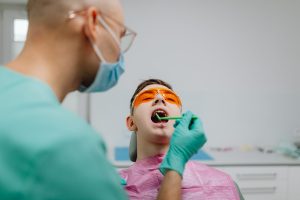
Contemporary dental practices have embraced cutting-edge technology to enhance their early detection capabilities. Digital radiography, intraoral cameras, and laser cavity detection systems enable practitioners to identify issues at their earliest stages. These technological advances allow a skilled dentist Wakefield residents trust to spot potential problems long before they become visible to the naked eye or cause discomfort to patients.
The integration of artificial intelligence and machine learning algorithms has further enhanced diagnostic accuracy, enabling practitioners to identify patterns and potential risk factors that might otherwise go unnoticed. These sophisticated tools complement clinical expertise, creating a comprehensive approach to preventative care that benefits both practitioners and patients alike.
The Economic Impact of Preventative Approaches
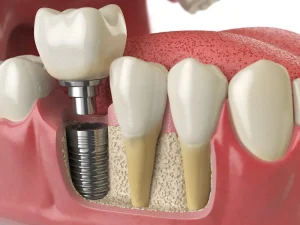
The financial benefits of preventative dental care extend far beyond individual patient savings. Healthcare systems worldwide are recognising the substantial cost reductions achieved through early intervention strategies. When dental issues are identified and addressed promptly, the need for complex procedures such as root canals, extractions, and prosthetic replacements diminishes significantly. This approach creates a positive cycle where patients experience better health outcomes whilst reducing the overall burden on healthcare resources.
Research consistently demonstrates that every pound invested in preventative care yields substantial returns in avoided treatment costs. Patients who engage with comprehensive preventative dentistry programmes report higher satisfaction levels and improved quality of life, reinforcing the value proposition of this approach.
Patient Education and Empowerment
The success of preventative dental care relies heavily on patient engagement and understanding. Modern dental practices prioritise education, helping patients comprehend the connection between oral health and overall wellbeing. This educational approach empowers individuals to take ownership of their dental health, fostering long-term relationships between patients and practitioners.
Educational initiatives often include personalised oral hygiene instructions, dietary guidance, and lifestyle recommendations tailored to each patient’s specific needs. This individualised approach ensures that preventative strategies remain relevant and achievable for patients from all walks of life.
Building Sustainable Oral Health Communities
The transformation of dental care extends beyond individual practices to encompass entire communities. Public health initiatives promoting preventative care have demonstrated remarkable success in improving population-wide oral health outcomes. Effective preventive dental care strategies implemented at community level create lasting positive impacts that benefit generations of families.
Schools, workplaces, and community centres increasingly serve as venues for oral health education and screening programmes. These initiatives help identify at-risk individuals early whilst promoting awareness of proper oral hygiene practices throughout the community.
Looking Forward: The Future of Preventative Dental Care
The evolution of preventative dentistry continues to accelerate, with emerging technologies and treatment methodologies promising even greater advances in early detection capabilities. The integration of telemedicine, wearable health monitoring devices, and personalised treatment protocols represents the next frontier in oral healthcare delivery. This ongoing transformation ensures that patients will continue to benefit from increasingly sophisticated, accessible, and effective preventative care solutions that prioritise their long-term health and wellbeing.