The Art and Science of Contemporary Dentistry
Modern dentistry has evolved far beyond the traditional drill-and-fill approach, transforming into a sophisticated discipline that seamlessly merges clinical excellence with artistic vision. Today’s dentist Liverpool understands that optimal oral health requires more than just addressing immediate problems—it demands a comprehensive approach that considers both the functional mechanics of the mouth and the aesthetic desires of patients.
The concept of dental harmony represents this evolution perfectly, acknowledging that successful treatment outcomes must satisfy both practical requirements and visual expectations. Patients no longer accept the notion that effective dental work must compromise their appearance, nor do they expect beautiful smiles at the expense of proper function. This shift in expectations has revolutionised how dental practitioners approach treatment planning and execution.
Understanding Functional Priorities
At the foundation of any successful dental treatment lies the principle of functionality. The mouth serves numerous critical purposes, from mastication and speech to maintaining proper facial support and jaw alignment. When these fundamental functions are compromised, patients experience not only immediate discomfort but potentially long-term complications that can affect their overall quality of life.
Proper bite alignment, known as occlusion, forms the cornerstone of functional dentistry. When teeth meet incorrectly, the resulting stress can lead to premature wear, jaw joint disorders, and chronic facial pain. Addressing these functional concerns requires thorough assessment and precise treatment planning, often involving multiple disciplines within dentistry.
The Role of Comprehensive Assessment
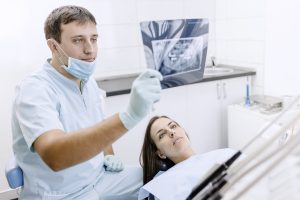
Contemporary dental evaluation extends beyond visual examination to include sophisticated diagnostic tools and techniques. Digital imaging, bite analysis, and muscle function assessment provide practitioners with detailed insights into how the oral system functions as an integrated whole. This comprehensive approach enables treatment plans that address underlying causes rather than merely treating symptoms.
A skilled dentist understands that functional assessment must precede any aesthetic considerations. Without a solid functional foundation, even the most beautiful dental work may fail prematurely or cause ongoing problems for the patient.
Aesthetic Considerations in Modern Practice
While functionality remains paramount, the aesthetic component of dental care has gained tremendous importance in contemporary practice. Patients increasingly view their smile as an integral part of their personal and professional image, leading to higher expectations for cosmetic outcomes in all types of dental treatment.
The principles of functional and aesthetic dentistry integration guide practitioners in creating solutions that satisfy both requirements simultaneously. This approach recognises that truly successful dental work must enhance rather than compromise either aspect of oral health.
Materials and Technology Advancement
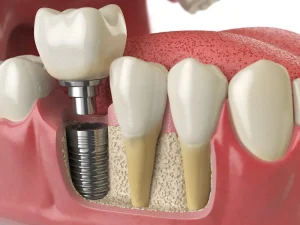
The advancement of dental materials has been instrumental in achieving this balance between form and function. Modern ceramics, composite resins, and metal alloys offer strength characteristics that rival or exceed natural tooth structure while providing exceptional aesthetic properties. These materials allow practitioners to create restorations that are virtually indistinguishable from natural teeth whilst maintaining the durability required for long-term success.
Digital dentistry has further enhanced the precision with which practitioners can achieve optimal outcomes. Computer-aided design and manufacturing systems enable the creation of restorations with microscopic accuracy, ensuring proper fit and function whilst achieving desired aesthetic goals. This technological integration has eliminated much of the guesswork traditionally associated with complex dental procedures.
Patient-Centred Treatment Planning
Successful dental harmony requires active patient participation in treatment planning. Understanding individual lifestyle factors, aesthetic preferences, and functional requirements allows practitioners to tailor solutions that meet specific needs. This collaborative approach ensures that treatment outcomes align with patient expectations whilst maintaining clinical excellence.
Effective communication plays a crucial role in this process. Patients must understand the relationship between functional and aesthetic considerations, enabling them to make informed decisions about their care. Setting realistic expectations whilst balancing functional and aesthetic priorities requires transparency and education throughout the treatment process.
Long-term Maintenance Strategies
Achieving dental harmony extends beyond initial treatment completion. Maintaining the balance between function and aesthetics requires ongoing care and regular professional monitoring. Preventive strategies, including proper oral hygiene and routine dental visits, protect both the functional integrity and aesthetic appeal of dental work.
Professional maintenance programmes often include periodic adjustments to ensure continued optimal function, particularly following extensive restorative work. These appointments allow practitioners to identify and address minor issues before they compromise either functional or aesthetic outcomes.
The Future of Integrated Dental Care
The pursuit of dental harmony represents the future direction of the profession, where aesthetic and restorative dentistry principles converge to create comprehensive solutions. This integrated approach recognises that optimal oral health encompasses both measurable clinical parameters and subjective patient satisfaction. As technology continues to advance and patient expectations evolve, the principles of dental harmony will undoubtedly guide the development of even more sophisticated treatment modalities, ensuring that future generations benefit from dental care that truly balances functionality with aesthetic excellence.